
Male Enhancement Products: A Comprehensive Guide to Understanding the Options and the Science

Best Male Enhancement Pills of 2026
We tested and ranked the most effective male enhancement pills for real results.
- Bigger, harder, longer-lasting erections
- More stamina energy
- Highest customer satisfaction
Introduction: Navigating a Crowded and Confusing Market
The market for male enhancement products has exploded over the past two decades, spanning everything from herbal capsules sold at gas stations to prescription therapies backed by peer-reviewed clinical research. For men trying to make sense of it all, the sheer volume of choices — combined with aggressive marketing, inconsistent regulation, and a subject that many still feel uncomfortable discussing openly — can make informed decision-making genuinely difficult.
This article is designed to cut through the noise. Whether you are exploring male enhancement products for the first time or reconsidering options you have already tried, understanding how these solutions work, what the evidence actually says, and when to involve a doctor will help you approach the topic with confidence rather than confusion.
What Do These Products Actually Promise?
Before evaluating any supplement, device, or therapy, it helps to understand exactly what manufacturers claim their offerings will do. Most virility supplements and performance boosters fall into a handful of broad categories based on their stated goals:
- Libido support: Increasing sexual desire or motivation, often through herbal adaptogens or hormone-related compounds.
- Erectile function: Improving blood flow to support firmer, longer-lasting erections — the most common claim in this space.
- Stamina and endurance: Reducing fatigue during sexual activity, sometimes overlapping with general athletic performance claims.
- Size or physical changes: Among the most disputed category, often featuring claims with little or no credible scientific backing.
- Testosterone support: Targeting hormonal balance, particularly in men over forty who may experience a natural decline in androgen levels.
Understanding which category a product targets — and whether the evidence supports that specific claim — is the first step toward making a sound purchasing decision.
The Science Behind Common Ingredients
Many male enhancement products rely on a blend of botanical and nutritional ingredients that have been used in traditional medicine for centuries. Some of these have accumulated a reasonable body of modern research; others remain largely unstudied or have shown inconsistent results in clinical settings.
L-Arginine is an amino acid that supports nitric oxide production in the body, which in turn promotes vasodilation — the relaxation and widening of blood vessels. Some studies have shown modest improvements in erectile function at higher doses, though results vary significantly depending on the underlying cause of symptoms.
Panax Ginseng, sometimes marketed as Korean red ginseng, has one of the stronger evidence bases among herbal ingredients in this space. Several small randomized controlled trials have found statistically significant improvements in erectile function scores compared to placebo, although researchers continue to call for larger and more rigorous studies.
Zinc and Vitamin D are micronutrients that play genuine roles in testosterone synthesis. Men who are deficient in either — a surprisingly common finding in the general population — may notice measurable improvements in hormonal markers when deficiencies are corrected through supplementation or dietary change.
Maca root, derived from a Peruvian plant, is frequently included in libido-focused formulas. Early research suggests it may support sexual desire independently of testosterone levels, though its mechanisms remain poorly understood.
The most important variable in any wellness intervention is not the product itself — it is whether the right problem is being addressed with the right solution at the right time.
Prescription Options Versus Over-the-Counter Supplements
A critical distinction that is often blurred in marketing for male enhancement products is the difference between regulated pharmaceutical treatments and over-the-counter dietary supplements. These two categories are not remotely equivalent in terms of evidence, oversight, or reliability.
Prescription medications for erectile dysfunction — primarily PDE5 inhibitors — have been validated through large-scale clinical trials, are manufactured under strict pharmaceutical standards, and carry well-characterized safety profiles. They require a doctor's evaluation for good reason: underlying conditions such as cardiovascular disease, diabetes, or hormonal disorders are common contributors to the symptoms these drugs address, and identifying those root causes is medically important.
By contrast, dietary supplements marketed as virility boosters or potency aids operate under a much lighter regulatory framework. In the United States, the FDA does not require supplement manufacturers to prove their products are effective before bringing them to market. The agency has, on multiple occasions, identified undisclosed pharmaceutical compounds — including prescription-strength drug analogs — hidden in popular over-the-counter enhancement supplements, which represents a genuine and serious safety risk.
When to See a Doctor Instead
For many men, symptoms that prompt interest in male enhancement products are actually signals of underlying health conditions that deserve proper medical evaluation. Erectile dysfunction, for example, is now recognized as a potential early warning sign of cardiovascular disease, since the small blood vessels involved in erectile function often show the effects of arterial compromise before larger vessels do.
Similarly, low libido paired with fatigue, mood changes, and difficulty building muscle may indicate clinically low testosterone — a diagnosable condition with established treatment pathways that go well beyond anything an over-the-counter supplement can reliably address.
Telehealth platforms have made it considerably easier for men to consult with licensed physicians about these concerns without the barriers of traditional in-person appointments. This has meaningfully reduced one of the biggest obstacles to care in this space: the reluctance many men feel about discussing sexual health openly with a healthcare provider.
Making an Informed Choice
The most constructive approach to evaluating male enhancement products starts not with a product but with a clear-eyed assessment of your specific goals, your current health status, and what the evidence actually supports for your situation. Men who are in good general health and curious about optimizing performance may find that certain well-researched supplements offer modest, meaningful benefits — particularly when combined with improvements to sleep, diet, exercise, and stress management, which collectively have a far larger impact on sexual health than most marketed products.
Men who are experiencing significant or worsening symptoms, on the other hand, owe it to themselves to have a proper medical conversation before investing time or money in male enhancement products that may address the surface while leaving the actual cause untouched.
Conclusion: Knowledge Is the Real Performance Enhancer
The wellness industry's reach into men's sexual health is vast, and it shows no signs of contracting. Male enhancement products will continue to multiply, and their marketing will continue to grow more sophisticated. The best defense against wasted spending, potential harm, and missed diagnoses is straightforward: approach the category with the same skepticism and curiosity you would apply to any significant health decision.
Ask what evidence exists. Ask who manufactured it and under what standards. Ask whether your symptoms deserve a doctor's attention rather than a supplement's promise. Men who apply that framework to male enhancement products — rather than responding to urgency or insecurity — are far more likely to find solutions that genuinely serve their wellbeing.
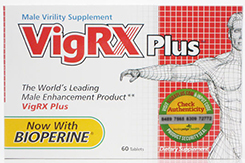
- Bigger, harder, longer lasting erections
- Increase stamina & sex drive
- More powerful, intense orgasms
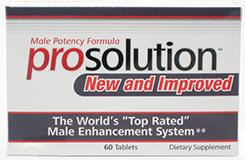
- Proven bigger, harder erections
- Experience multiple orgasms
- Boosts sexual stamina & performance
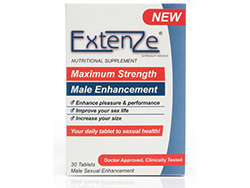
- Bigger, harder erections
- Massively intense orgasms
- Increases endurance and stamina