
Penis Extenders: A Complete, Evidence-Based Guide to Traction Devices for Male Enhancement

Best Penis Extenders of 2026
Discover how penis extenders can enhance size and boost confidence.
- Increase Penis Length and Girth
- Permanent Gains
- FDA Approved Safe Devices
Separating Science From Hype
Few topics in men's health attract more curiosity — and more misinformation — than the pursuit of size enhancement. Among the methods promoted online, penis extenders occupy a unique space: unlike pills or topical creams, these are physical devices with a measurable mechanical principle behind them, and they carry a small but genuine body of peer-reviewed clinical research. That does not mean every product on the market is legitimate, every claim is accurate, or that the devices are appropriate for every man. However, for those willing to invest the time and approach the subject seriously, understanding how these tools work and what the science actually says is genuinely useful. This guide covers all of it — mechanism, evidence, safety, usage, and smart buying guidance.
What Are These Devices and How Do They Work?
Penis extenders — also called penile traction devices — are mechanical stretching tools worn on the body for extended periods. The core principle is traction: the device applies a consistent, calibrated stretching force along the length of the penile shaft, encouraging the cellular process known as cytokinesis, where cells divide and proliferate in response to sustained tension. This same biological principle underlies orthopedic limb lengthening, orthodontic expansion, and traditional neck-ring practices in certain cultures.
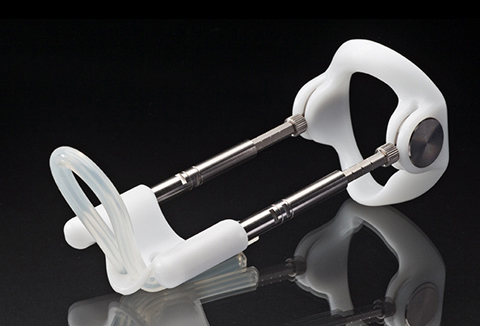
The device itself typically consists of a base ring that fits around the pubic area, two adjustable extension rods running alongside the shaft, and a silicone strap or noose at the distal end. By gradually increasing the length of the rods over weeks and months, a slow, sustained stretch is maintained. The theory is that over time, this promotes tissue remodeling, increased vascularity, and a modest but measurable increase in both stretched and erect length.
It is worth noting that traction-based tools do not produce results overnight. Protocols in clinical studies typically run for four to six months of consistent daily use, often ranging from four to eight hours per day.
What Types of Traction Devices Exist?
Not all penis extenders are built the same way. The market offers several distinct construction styles, each with its own comfort and performance trade-offs:
- Rod-based extenders: The original and most common design, using rigid metal rods and a noose or strap at the end. Effective but can cause discomfort with extended wear if sizing is off.
- Belt or strap-based traction devices: These replace the rigid structure with a flexible silicone strap system, which many users find more comfortable for longer daily sessions and for wearing under clothing.
- Vacuum-assisted models: A newer design category that uses a vacuum chamber at the distal end instead of a noose. This design reduces the pressure on a single point and may be more comfortable for sensitive skin.
- Medical-grade devices: A subset of stretching devices that have been through ISO certification processes or that carry CE marking in European markets, indicating adherence to quality and safety manufacturing standards.
What Does the Clinical Evidence Actually Show?
This is where the conversation gets more nuanced. Penis extenders have been studied in legitimate peer-reviewed settings, primarily in the context of Peyronie's disease — a condition involving penile curvature caused by fibrous scar tissue — as well as in men with short penile length following prostate surgery. The results from these specific populations are genuinely encouraging.
A study published in the Journal of Sexual Medicine found statistically significant improvements in stretched penile length and curvature among Peyronie's patients using traction therapy consistently over six months. Other small randomized controlled studies have found similar modest improvements in flaccid and stretched length among men with short penile syndrome. These are real findings, though the sample sizes are small and results vary considerably between individuals.
For men without these medical conditions seeking cosmetic size gains, the evidence is weaker, more anecdotal, and harder to interpret. Results in healthy men appear more modest, more variable, and more dependent on protocol consistency than clinical trial participants might suggest. Realistic expectations — gains in the range of 0.5 to 1 centimeter in stretched length after four to six months — appear more supported than the dramatic claims common in product marketing.
Safety Considerations and Potential Side Effects
Used correctly, penis extenders are generally considered low-risk. The penile tissue is resilient, and the traction forces involved in legitimate protocols are well below the threshold for structural injury. That said, improper use creates real risks that should not be dismissed.
The most common side effects reported include temporary skin irritation, numbness or tingling from excessive pressure on the glans, bruising from an improperly fitted noose, and fatigue of the penile tissue after prolonged sessions. These are usually resolved by reducing wearing time or adjusting the fit. More serious complications — including tissue damage or nerve injury — are rare but documented in cases of extreme misuse, such as wearing devices far beyond recommended daily limits or applying dramatically excessive tension.
Men with certain conditions should consult a urologist before using any penile stretching device. These include active Peyronie's disease flare-ups, recent penile or prostate surgery, bleeding disorders, or the use of blood-thinning medications. If at any point pain, significant bruising, or persistent numbness occurs, the device should be removed immediately and medical advice sought.
How to Use These Devices Properly
Consistency and patience are the two non-negotiable elements of any traction protocol. Here is a general framework based on clinical study methodology and manufacturer guidance from reputable brands:
- Start slow: Begin with two to three hours per day at the lowest traction setting for the first two weeks to allow tissue adaptation.
- Increase gradually: Add thirty minutes of wear time per week and increase tension settings incrementally, never skipping ahead.
- Take rest days: Most protocols recommend one to two rest days per week to allow tissue recovery.
- Monitor for warning signs: Numbness, bluish discoloration, or significant pain are signals to remove the device immediately.
- Commit to the timeline: Meaningful changes in clinical studies emerged after sixteen to twenty-four weeks of consistent use. Shorter trials rarely show significant results.
Who Are These Devices Best Suited For?
Penis extenders are most clearly suited for men with a documented medical indication: those managing penile curvature from Peyronie's disease, men who have experienced post-surgical length loss, or men with micropenis working alongside a urological care team. In these populations, the benefit-to-risk ratio is the most clearly defined.
For men seeking general cosmetic enhancement, the suitability is more personal. The commitment is significant — daily use over several months — and results are modest and not guaranteed. Men who are highly motivated, have realistic expectations, and are prepared to use the device correctly and consistently may find value in the approach. It is never the right choice for men looking for quick results or those unwilling to prioritize safety over speed.
How to Choose a Quality Device
The stretching device market contains a wide spectrum of quality, from medically designed products with genuine engineering standards to flimsy plastic units sold cheaply online with fabricated clinical claims. When evaluating penis extenders, prioritize the following factors:
- Look for CE marking or ISO certification, indicating manufacturing quality standards have been independently assessed.
- Avoid products that make dramatic, unqualified claims about specific size gains or overnight results.
- Choose brands that provide clear instructions, customer support, and documented tension calibration specifications.
- Prioritize comfort features — medical-grade silicone straps, adjustable base rings, and smooth tension rods — since comfort directly affects your ability to wear the device consistently.
- Read independent user reviews from verified purchasers rather than relying on manufacturer testimonials alone.
Conclusion: An Honest Assessment
Penis extenders occupy a legitimate but limited niche in men's health. They are not magic, they do not work quickly, and they require a significant time commitment to have any meaningful effect. What they do offer — unlike most supplements or topical products — is a physiologically plausible mechanism backed by at least some peer-reviewed clinical data, particularly in medically indicated populations.
For men approaching these traction-based devices with clear eyes, realistic expectations, a quality product, and disciplined usage, there is genuine potential for modest benefit. For everyone else, the most valuable investment remains the same: a candid conversation with a urologist who can assess your specific situation and point you toward the approaches most likely to be safe and effective for you personally.
- Increase penis length and girth permanently
- Clinically proven traction technology
- FDA approved device